JRN Faults Reuben’s Remarks, Urges Decentralization of Pipeline Contracts For Fairness and National Security.
- by Ebitimi, Bayelsa State, HSN
- about 4 hours ago
- 316 views
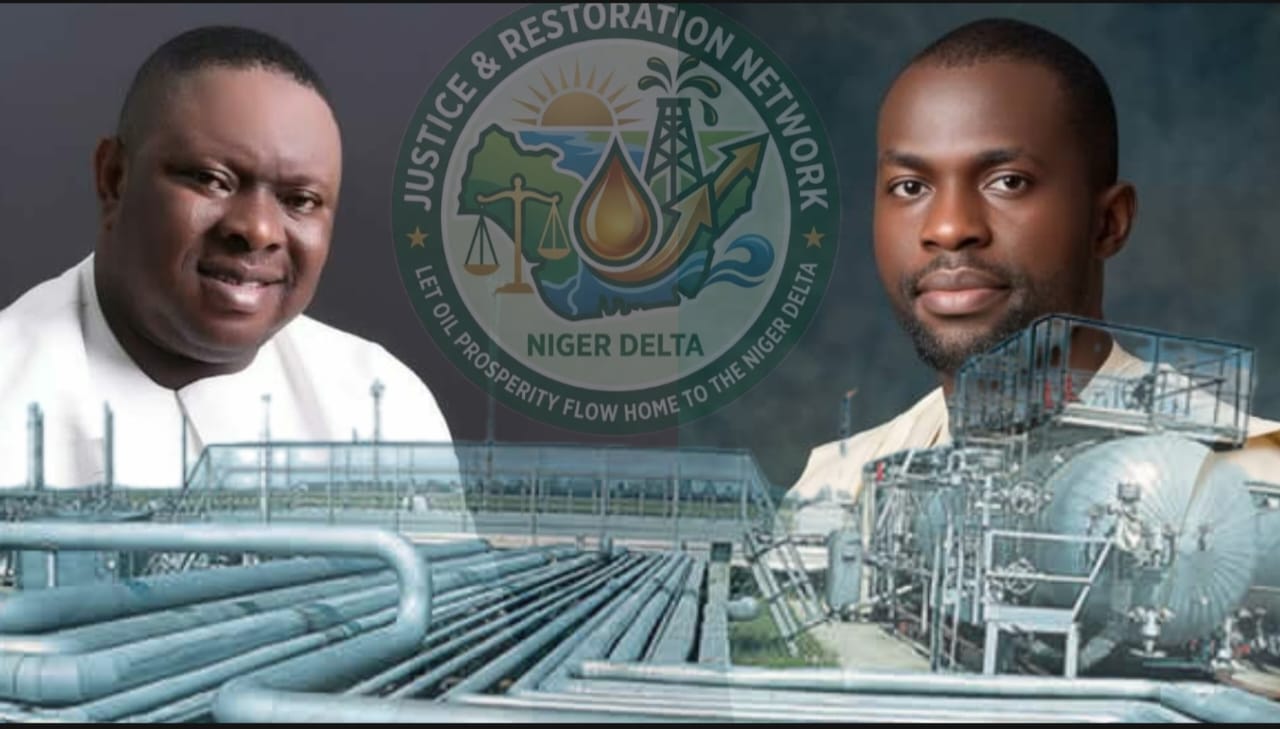
A fresh wave of tension has emerged in the Niger Delta following a strongly worded response by Paebi Samson, National President of the Justice & Restoration Network, who has criticized recent remarks by Chief Reuben Clifford Wilson over pipeline surveillance contracts and regional participation.
Speaking to journalists on Tuesday, Samson described Wilson’s comments as “misguided, disrespectful, and lacking a proper understanding of the Niger Delta struggle.” He also expressed disappointment that, as an indigene of Bayelsa State, Wilson would oppose initiatives he believes could directly benefit the state.
The controversy stems from Wilson’s suggestion that prominent Niger Delta figures, including Dr. Ebikabowei Victor Ben, popularly known as Boyloaf, and Senior High Chief Bibopere Ajube (Shoot-At-Sight), should abandon their advocacy for equitable participation in pipeline surveillance contracts and instead pursue oil block allocations from the federal government.
Samson rejected the position, arguing that it undermines the broader struggle for inclusion and justice in the Niger Delta. He stressed that key figures like Boyloaf played pivotal roles in advancing the agitation that ultimately led to dialogue with the federal government and the creation of the Amnesty Programme. He added that dismissing the decentralization of pipeline surveillance contracts across the states effectively diminishes the significance and sacrifices of the Niger Delta struggle during the conflict.
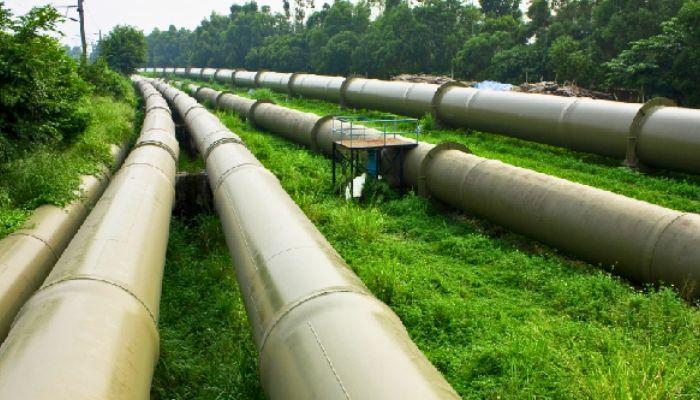
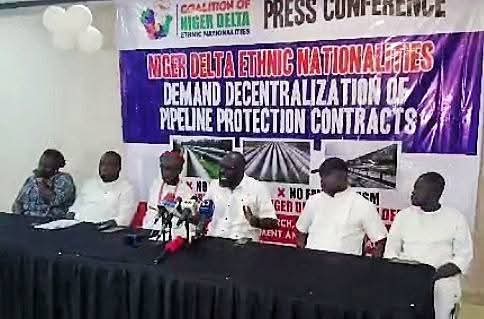
He further called on the federal government to decentralize pipeline surveillance contracts across all Niger Delta states, describing it as a necessary step toward fairness, justice, security and improved crude oil production. According to him, such a move would also help curb large-scale crude oil theft, which he noted has contributed to significant production losses in early 2026.
Samson also raised concerns about growing insecurity linked to pipeline surveillance activities, citing allegations of criminal incidents including kidnapping and violence. He warned that failure to address these issues could heighten tensions in the region.
“Effective pipeline security is not optional—it is critical to safeguarding national resources, creating employment for youths, and reducing environmental damage caused by illegal activities,” he said.
The Justice & Restoration Network leader further alleged that some stakeholders, including traditional leaders, have compromised their roles by supporting certain interests for personal gain. He described the situation as troubling and called for a return to integrity and responsible leadership.
He cautioned that divisive rhetoric and internal disagreements among stakeholders could weaken the collective push for equity and sustainable development in the Niger Delta.
Samson concluded by urging the National Assembly to conduct a thorough and transparent investigation into pipeline surveillance contracts and the activities of contractors. He also called on the Presidency and relevant authorities to ensure accountability, inclusiveness, and reforms that will promote long-term peace and development in the region.
He appealed to traditional rulers, youth groups, and former agitators to prioritize unity and constructive engagement, while reiterating the demand for decentralization of pipeline surveillance contracts as a pathway to fairness, transparency, and empowerment across the Niger Delta.




0 Comment(s)